Archives
- 2026-09
- 2026-08
- 2026-07
- 2026-06
- 2026-05
- 2026-04
- 2026-03
- 2026-02
- 2026-01
- 2025-12
- 2025-11
- 2025-10
- 2025-09
- 2025-03
- 2025-02
- 2025-01
- 2024-12
- 2024-11
- 2024-10
- 2024-09
- 2024-08
- 2024-07
- 2024-06
- 2024-05
- 2024-04
- 2024-03
- 2024-02
- 2024-01
- 2023-12
- 2023-11
- 2023-10
- 2023-09
- 2023-08
- 2023-07
- 2023-06
- 2023-05
- 2023-04
- 2023-03
- 2023-02
- 2023-01
- 2022-12
- 2022-11
- 2022-10
- 2022-09
- 2022-08
- 2022-07
- 2022-06
- 2022-05
- 2022-04
- 2022-03
- 2022-02
- 2022-01
-
One effective approach to fine tuning the lipophilicity prof
2022-01-03
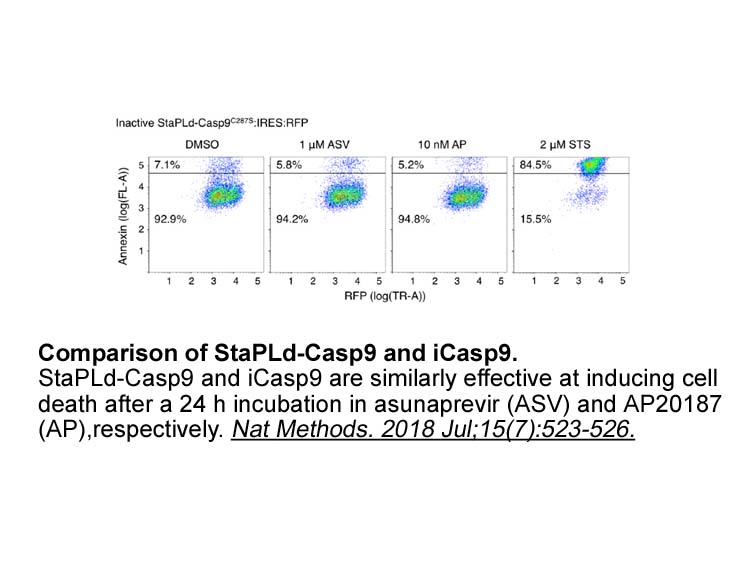
One effective approach to fine-tuning the lipophilicity profile of FFA1 agonists is to ‘decorate’ the 3-phenylpropahoic 15-deoxy-Δ-12,14-Prostaglandin J2 scaffold with polar heterocyclic moieties. Alternatively, this scaffold could be replaced with heterocyclic isosteres (as in Takeda’s compounds 1,
-
br Results br Discussion Immune mediated chronic inflammator
2022-01-03
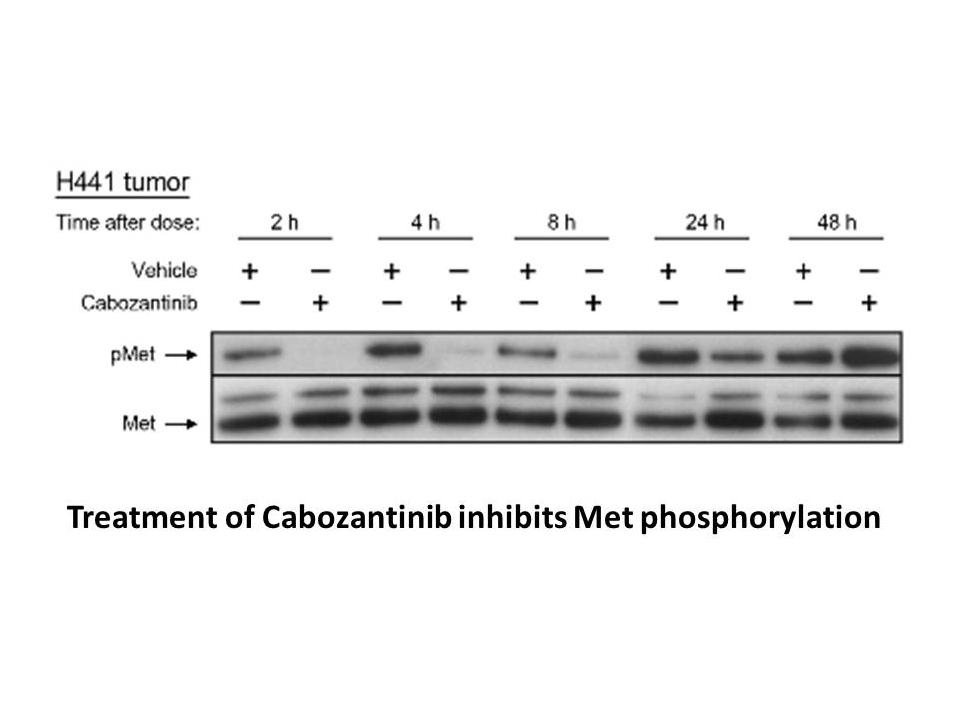
Results Discussion Immune-mediated chronic inflammatory diseases (e.g. rheumatoid arthritis, psoriasis, multiple sclerosis, and inflammatory bowel disease) are characterized by a dysregulated migration of leukocytes from blood vessels into inflamed tissues. To date, several new targets and inh
-
The current lack of effective treatments for primary
2022-01-03

The current lack of effective treatments for primary or metastatic UM leaves a large therapeutic gap for patients and clinicians underscoring an urgent need for the identification of additional pharmacological targets for therapeutic intervention. As YAP-targeting strategies have remained elusive th
-
br Concluding Remarks One of the remarkable
2022-01-03
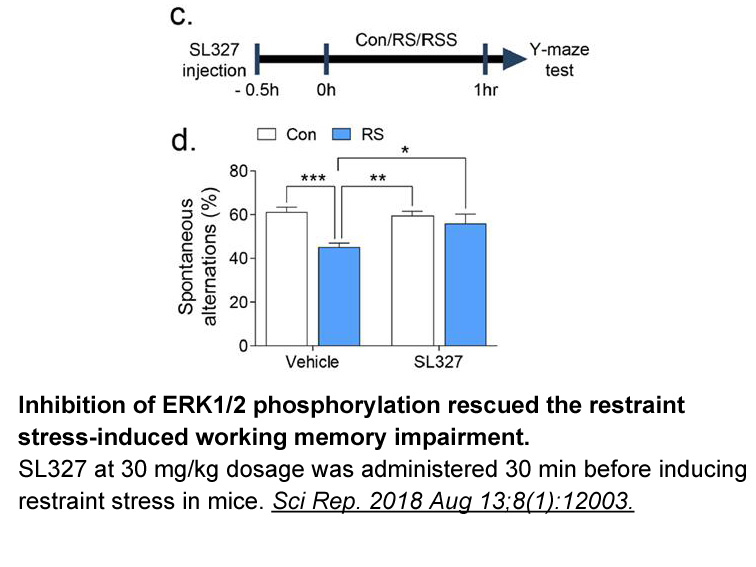
Concluding Remarks One of the remarkable features of Hippo signaling is its sensitivity to the cytoskeleton and mechanical forces. Progress has been made recently in identifying molecular mechanisms by which the cytoskeleton can influence Hippo signaling, but among the many outstanding questions
-
br Disclosures br Introduction The brown planthopper Nilapar
2022-01-03
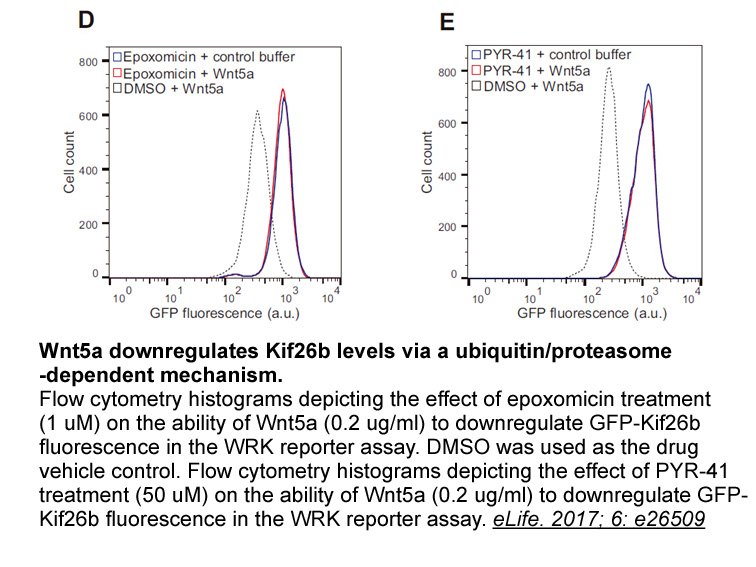
Disclosures Introduction The brown planthopper, Nilaparvata lugens (Stål) (Hemiptera: Delphacidae), is a classic insecticide-induced resurgent pest throughout Asian rice-growing regions (Chelliah and Heinrichs, 1980). The resurgence of N. lugens induced by commonly used chemical agents has bee
-
br Acknowledgements This research was supported by the
2022-01-03
Acknowledgements This research was supported by the Natural Sciences and Engineering Council of Canada (NSERC) Discovery Grant awarded to RGM. LMW was supported in part by fellowships from the University of Regina and the Government of Saskatchewan Fish and Wildlife Development Fund (FWDF). We wo
-
br Acknowledgements This work was
2022-01-03

Acknowledgements This work was supported by NIH HL111674 (JHF), and the Antoinette E. (“Mimi”) & Herman Boehm Foundation (JK). The authors wish to acknowledge the valuable assistance of the Functional Genomics Core of the University of Colorado, Denver. Introduction The 21-gene recurrence sco
7972 records 532/532 page Previous First page 上5页 531532